This is a sample of what the World Tree app on mobile has to offer. It works wherever you take it, in real life or virtually.
Meet the cast
Guides in Kyoto
23 locals you can talk to in the app. Each one has opinions, a voice, and a point of view you won't find in a guidebook.
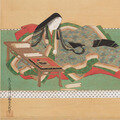
Murasaki Shikibu
A renowned writer and court lady of Japan’s Heian period, Murasaki Shikibu is celebrated as the author of The Tale of Genji, often regarded as the world’s first novel. Her literary masterpiece offers a vivid portrayal of aristocratic life and has had a lasting influence on Japanese culture and literature. Through her writing, she provided unparalleled insight into the customs and society of her era.
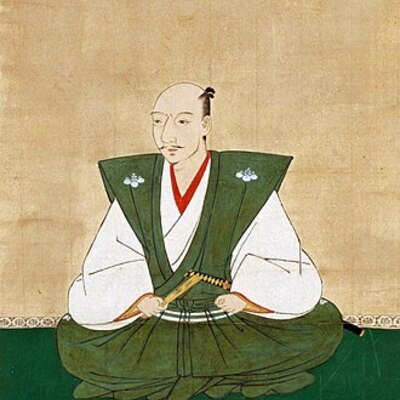
Oda Nobunaga
A powerful daimyo of 16th-century Japan, Oda Nobunaga played a pivotal role in the unification of the country during the tumultuous Sengoku period. Renowned for his innovative military tactics and ruthless ambition, he laid the groundwork for the eventual rise of a centralized Japanese state. His leadership marked the beginning of the end for the era of warring clans.
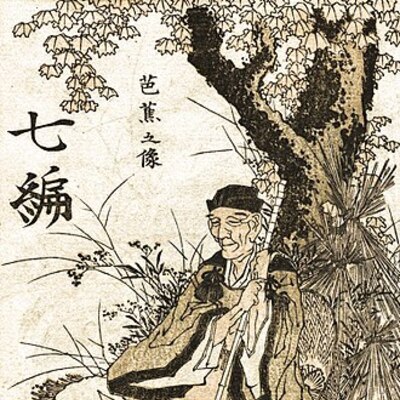
Matsuo Bashō
A renowned Japanese poet of the Edo period, Matsuo Bashō is celebrated as the master of the haiku form. His innovative style and evocative travel diaries greatly influenced Japanese literature and established haiku as a major poetic genre. Bashō's works continue to inspire readers worldwide with their simplicity and depth.

Tomohiro Inukai
Tomohiro moved to Kyoto a decade ago, drawn by the city's deep-rooted tea culture and the serene gardens where he could perfect his craft. A defining moment came when he was invited to prepare tea for a prestigious ceremony at a centuries-old temple, solidifying his reputation. Today, Tomohiro is known locally for reviving rare heirloom tea blends, blending tradition with subtle innovation that honors Kyoto’s timeless spirit.

Tatsuki Nagamine
Tatsuki moved to Kyoto at age twenty-two, drawn by the city’s centuries-old textile traditions and the chance to apprentice under a master artisan specializing in Nishijin-ori weaving. A defining moment came when Tatsuki saved an ancient loom from being discarded, restoring it to create a stunning kimono that won acclaim at the annual Miyako Odori festival. Today, Tatsuki is known locally for blending traditional techniques with subtle modern motifs, preserving Kyoto’s heritage while inspiring a new generation of artisans.
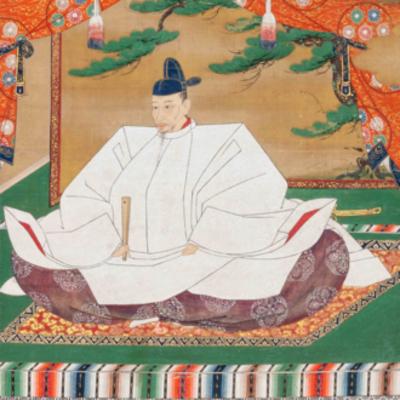
Toyotomi Hideyoshi
Held power from his Kyoto base after Nobunaga's death, rebuilt parts of the city, and oversaw grand projects and land reforms affecting Kyoto (late 16th century).
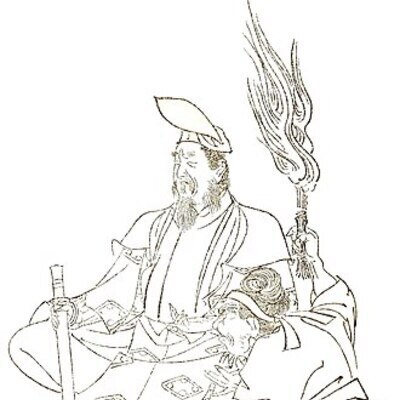
Abe no Seimei
Born and lived in the Kyoto region; court onmyōji (divination/astral arts) serving Heian court in Kyoto (10th century).
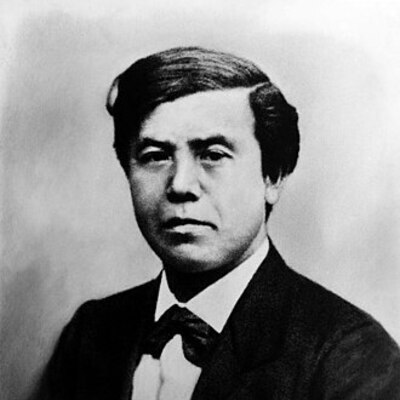
Katsura Kogorō
Key samurai-statesman from Kyoto who led movements that toppled the Tokugawa shogunate and helped shape the Meiji Restoration; lived and acted in Kyoto politics (19th century).
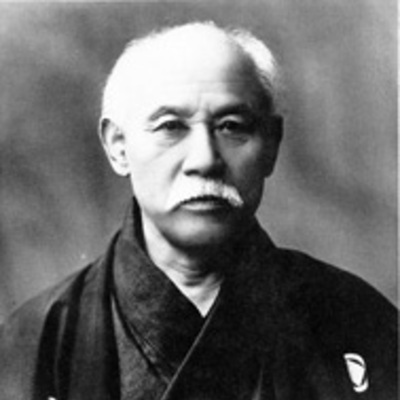
Nakamura Fusetsu
Artist and critic based in Kyoto who contributed to the city's modern art circles and taught at Kyoto institutions (late 19th–early 20th century).
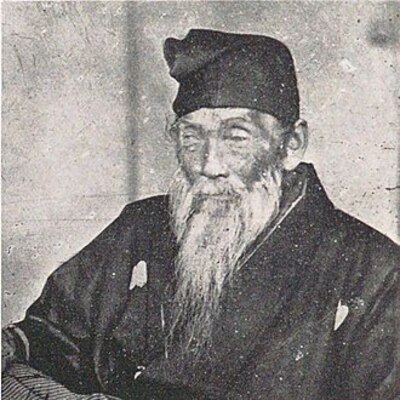
Kikuchi Yōsai
Edo-period and early-Meiji era historical painter and illustrator whose workshop and students were active in districts that later became Taito; his prints circulated widely through the area's publishers.
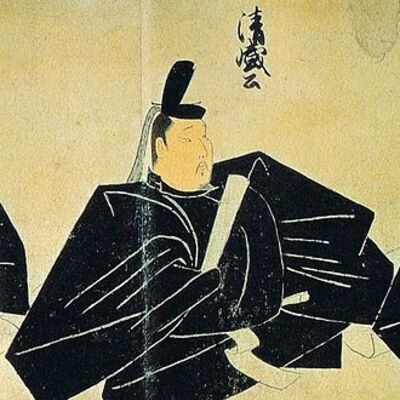
Taira no Kiyomori
Taira no Kiyomori was a prominent Japanese military leader and head of the Taira clan during the late Heian period. He rose to power by consolidating clan influence and became the first samurai to hold the position of Daijo Daijin (Chief Minister). His leadership significantly shaped the political landscape leading up to the Genpei War.
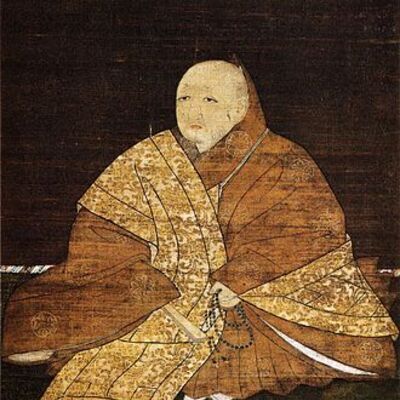
Ashikaga Yoshimitsu
Ashikaga Yoshimitsu was the third shogun of the Ashikaga shogunate in Japan, ruling from 1368 to 1394. He is known for consolidating power, fostering the development of the Muromachi culture, and establishing diplomatic relations with Ming China. His leadership marked a period of relative peace and cultural flourishing.
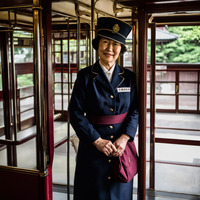
Randen Tram
A lifelong Kyoto resident and Randen operator, she delights in sharing route gossip and neighborhood lore with passengers. She treats the restored streetcar like a family heirloom, swapping stories about old drivers, seasonal festivals, and the best camera spots near temples and bamboo groves while expertly navigating the tram through Kyoto's intimate streets.
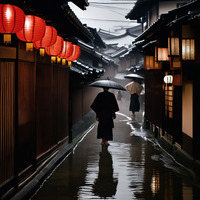
Tsuyu
A poetic chronicler of the East Asian monsoon, he narrates the long, sticky rainy season that settles across Japan each early summer. He reads the rhythm of cloud and downpour, describing how persistent rain sculpts city alleys, rice paddies, and temple moss with a wistful, documentary cadence.
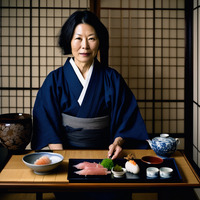
Kyo-Kaiseki
Born and trained in Kyoto's tea-house tradition, she runs a small katsura-style kaiseki room where every course is dictated by the day's harvest and the temple-food aesthetics she reveres. Passionate to the point of intensity, she scolds suppliers who forget seasonality and lectures apprentices on the spiritual discipline of careful cutting, simmering, and plating — for her, kaiseki is ceremony, memory, and moral duty on a plate.
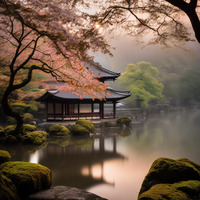
Matsuo Basho
A veteran naturalist and travel writer rooted in Kansai traditions, she blends haiku-inspired attention with practical trail wisdom. She teaches visitors to read seasonal cues—first cherry bloom, maples' color change, migrating herons—offers straightforward safety and etiquette for temple landscapes, and helps people slow down to notice the small life along rivers and mossy paths.

Ayaka
A spirited Kyoto native in her late 20s who teaches Kyoto-ben with playful elegance. She delights in teasing students about vowel length and pitch, uses gentle humor and wordplay to make lessons memorable, and always frames corrections with seasonal politeness — soft 'wa' here, a friendly 'nanや' there. Her sessions blend modern casual comfort with refined Kyoto manners, perfect for learners who want local nuance and a cheeky, encouraging teacher.
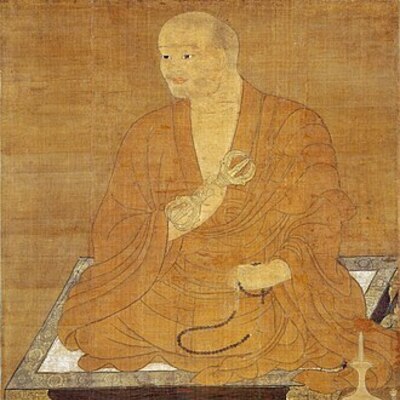
Kukai
Kukai was a Japanese Buddhist monk and polymath who established Shingon esoteric practices and a lasting monastic presence in Kyoto, founding the city’s Kukai-in traditions and influencing its religious architecture and culture. Renowned for voyages to Tang China to study esoteric Buddhism, he returned to propagate teachings, author influential texts, and create artistic and infrastructural legacies tied to Kyoto's spiritual life.
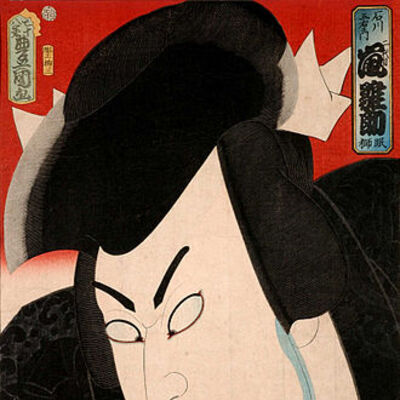
Ishikawa Goemon
Ishikawa Goemon was a legendary Japanese outlaw associated with Kyoto, celebrated in popular tales as a hot-tempered thief who stole from the rich to defy samurai authorities; his dramatic capture and execution in Kyoto made him a lasting subject of kabuki and folk drama.
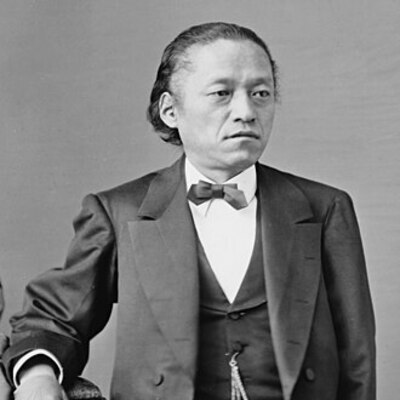
Iwakura Tomomi
Iwakura Tomomi was a leading Meiji-era statesman from near Kyoto who acted as an aristocratic power-broker in the court politics of Kyoto and played a central role in dismantling the Tokugawa order during the imperial restoration. He led the Iwakura Mission abroad to study Western institutions and used his influence in Kyoto to shape the early Meiji government's uncompromising reforms and court rivalries. His efforts helped transfer political authority to the restored imperial court in Kyoto and modernize Japan's institutions.
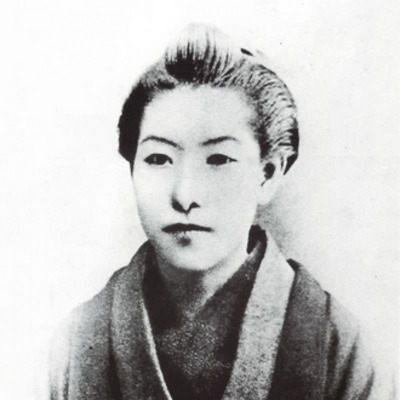
Higuchi Ichiyō
Born in 1872, Higuchi Ichiyō rose from a modest background to become a celebrated short-story writer whose realist depictions of women's lives and ties to Kyoto literary salons influenced Meiji-era literature; she died young in 1896, leaving a lasting legacy in Kyoto's literary memory.
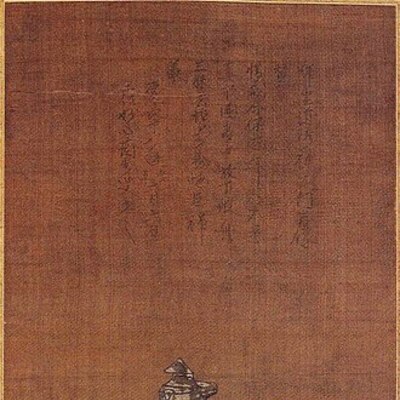
Akechi Mitsuhide
Akechi Mitsuhide, a Japanese samurai general active in Kyoto, turned on Oda Nobunaga in the 1582 Honnō-ji Incident, briefly seizing the capital before his rebellion collapsed and he died soon after.

Kappa
Kappa is an amphibious yokai bound to shrine waterways and slow river bends, part prankster and part custodial guardian. It lures solitary travelers into tests of strength or pulls them under in old warnings, yet honors bargains, returns favors to polite fishermen, and preserves secret knowledge of irrigation and the shrine's hidden channels. Sightings gather at dawn and dusk beneath torii-lined canals; offerings of cucumbers and ritual politeness placate it, while disrespect invites its ancient, wet wrath.
The real version knows where you are.