This is a sample of what the World Tree app on mobile has to offer. It works wherever you take it, in real life or virtually.
Meet the cast
Guides in London
34 locals you can talk to in the app. Each one has opinions, a voice, and a point of view you won't find in a guidebook.
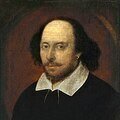
William Shakespeare
An English playwright, poet, and actor, widely regarded as the greatest writer in the English language.
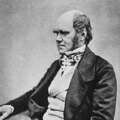
Charles Darwin
An English naturalist, geologist and biologist, best known for his contributions to the science of evolution.
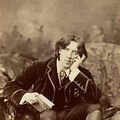
Oscar Wilde
An Irish poet and playwright, known for his wit, flamboyant style, and brilliant epigrams. Author of "The Picture of Dorian Gray" and "The Importance of Being Earnest".
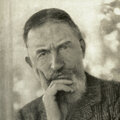
George Bernard Shaw
An Irish playwright, critic, polemicist, and political activist. A leading figure in the 20th-century theatre and a co-founder of the London School of Economics.
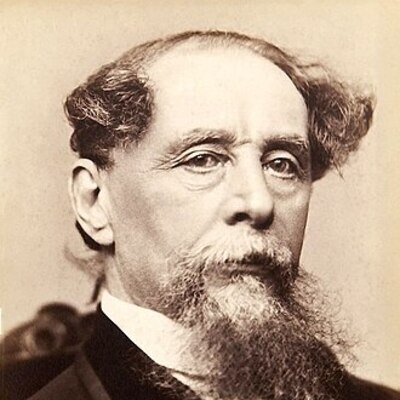
Charles Dickens
An influential English novelist and social critic, Charles Dickens is renowned for his vivid characters and depictions of Victorian society. He authored classic works such as "Oliver Twist," "A Christmas Carol," and "Great Expectations," highlighting social injustices and inspiring reform. His storytelling and literary innovation have made a lasting impact on English literature.
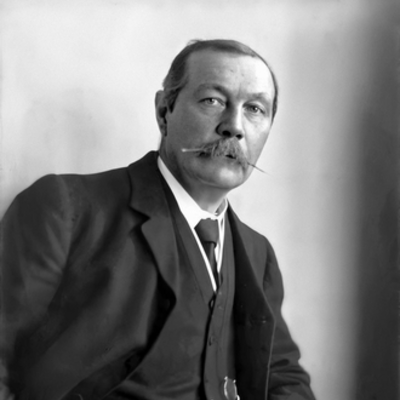
Arthur Conan Doyle
A Scottish physician and writer, Arthur Conan Doyle is best known as the creator of the iconic detective Sherlock Holmes. His works greatly influenced the crime fiction genre and popularized the detective story worldwide. Beyond literature, Doyle also contributed to historical writing and was an advocate for social justice and spiritualism.
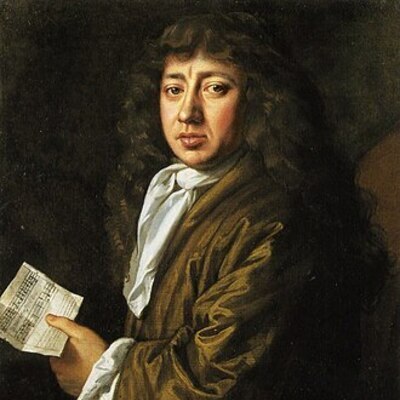
Samuel Pepys
Samuel Pepys (1633–1703) worked as a senior official in the Navy Office and kept a detailed personal diary from 1660–1669 that provides vivid first-hand accounts of the Great Plague, the Great Fire of London, and Restoration-era politics and society.
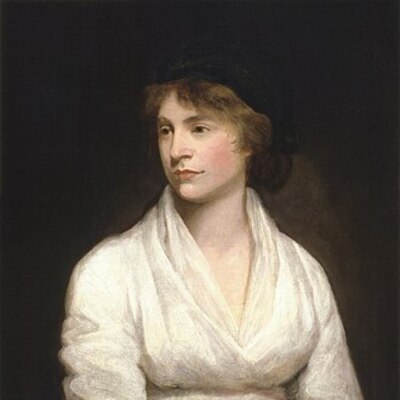
Mary Wollstonecraft
Mary Wollstonecraft (1759–1797) was a London-based writer and philosopher whose works, especially A Vindication of the Rights of Woman, argued forcefully for women's education and rights; she was active in radical circles in the 1790s and became known for her passionate advocacy and tumultuous personal life.
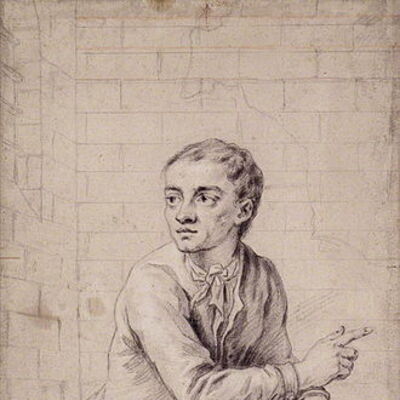
Jack Sheppard
Born around 1702 in London, Jack Sheppard became infamous for a string of thefts and spectacular escapes from custody; his life and 1724 execution captivated the public, fueling ballads, dramas, and debates about crime and class in Georgian society.
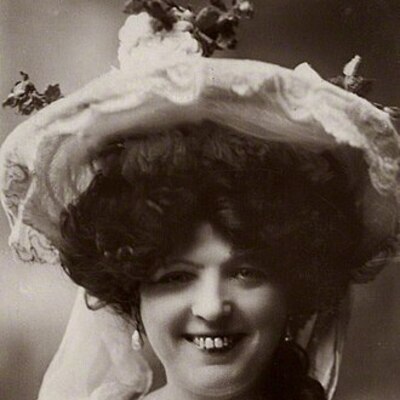
Dame Marie Lloyd
Born in London in 1870, Marie Lloyd rose to become the foremost music-hall performer of her time, captivating audiences with defiant humor and bawdy songs; she remained a leading influence on popular urban entertainment until her death in 1922.
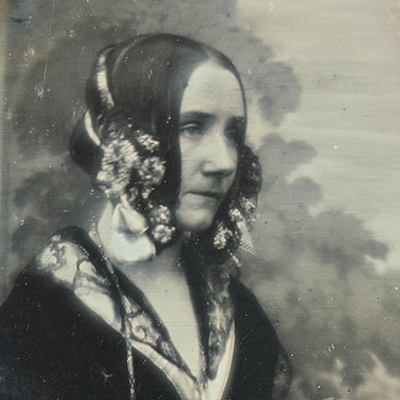
Ada Lovelace
Ada Lovelace (1815–1852) was a British mathematician and aristocrat active in London salons who wrote prophetic notes on Babbage's Analytical Engine, often cited as the first computer program.
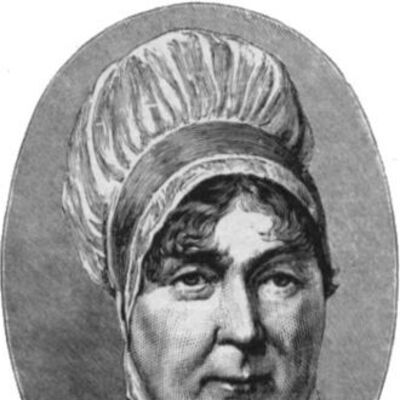
Elizabeth Fry
A Quaker social crusader in London, Elizabeth Fry inspected prisons like Newgate, campaigned for humane treatment, and implemented reforms such as female supervision, education, and improved sanitation, combining gentle demeanor with steely moral courage.
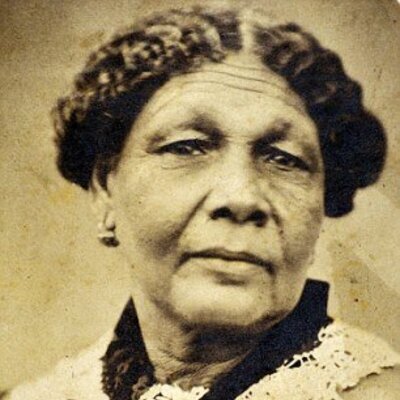
Mary Seacole
Mary Seacole (c.1805–1881) was a Jamaican-Scottish nurse and businesswoman who journeyed from London to the Crimea to tend soldiers, ran a hotel and fundraising efforts near the front, and returned to London where she ran a business and campaigned for recognition.
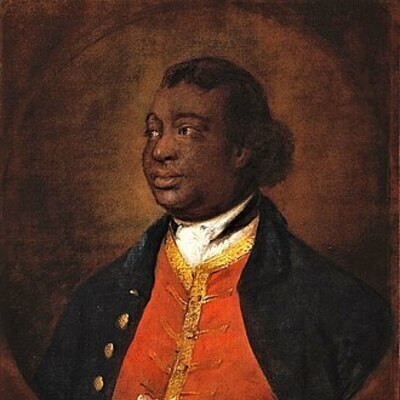
Ignatius Sancho
Born around 1718 and dying in 1780, Ignatius Sancho rose from enslavement to become a respected London shopkeeper, composer and prolific letter-writer. He hosted a celebrated salon, used his writings to argue against slavery and racial prejudice, and is noted as the first known Black Briton to vote in a parliamentary election, leaving a legacy of charm, erudition and moral force.
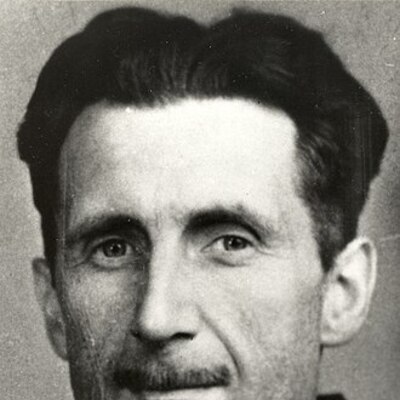
George Orwell
Eric Blair (pen name George Orwell), born 1903 in India and active mainly in London, was a journalist, essayist and novelist known for trenchant social criticism and opposition to totalitarianism; he used undercover reporting and vivid depictions of London's working-class milieu to inform works such as essays and political fiction before his death in 1950.
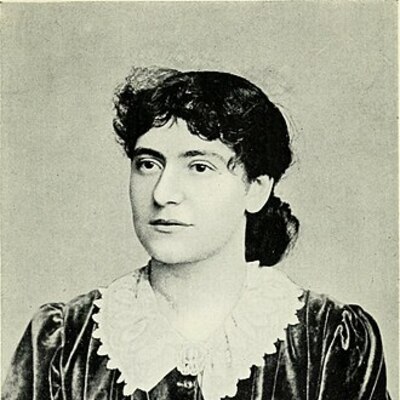
Eleanor Marx
Eleanor Marx (1855–1898) was a London-based socialist, feminist, translator and labour organiser, known for her intellectual brilliance, commitment to workers' rights, and struggles against sexism within the movement.
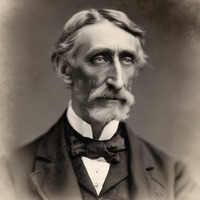
Charles Booth
Charles Booth (1840–1916) was a British businessman who became a pioneering social researcher and philanthropist; his detailed poverty maps and reports on London's working classes reshaped public understanding and policy on urban poverty.
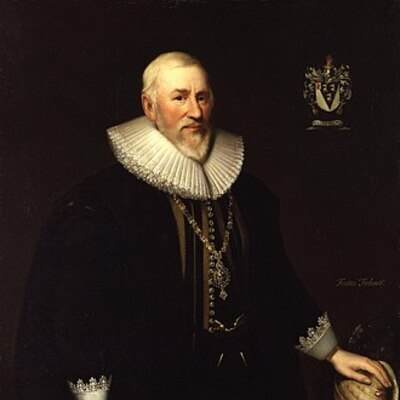
Hugh Myddelton
An adventurous Welsh entrepreneur and engineer, Hugh Myddelton (c.1560–1631) led the New River project to supply fresh water to London, navigating legal battles, financing challenges, and complex negotiations to complete the aqueduct in 1613.
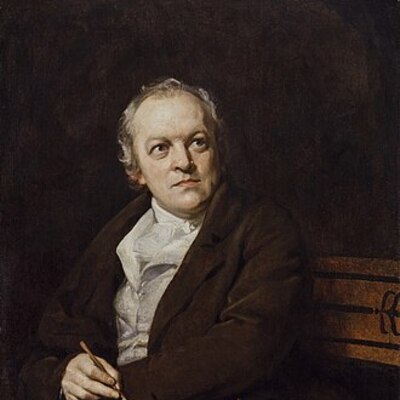
William Blake
William Blake (1757–1827) was a British poet and printmaker from London whose prophetic writing, illuminated engravings, and outspoken opposition to industrial and civic corruption made him an outcast in his day and a lasting cult figure.
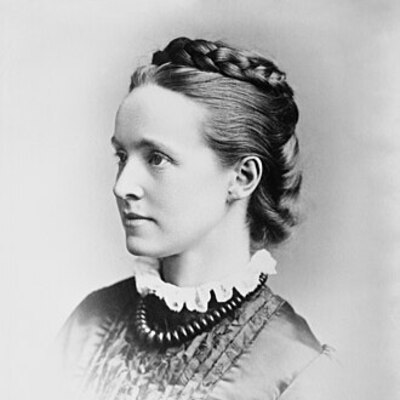
Dame Millicent Fawcett
Millicent Fawcett (1847–1929) was a British feminist and political activist who led the National Union of Women's Suffrage Societies, advocating peaceful, legal campaigning for women's voting rights in London while navigating conflicts with politicians and militant suffragettes.
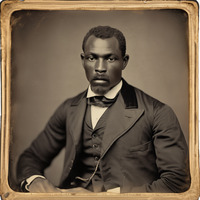
George Dixon
George Dixon (c.1870–1908) was a Black professional boxer who lived and fought in London, becoming a celebrated yet controversial figure for his flamboyant ring persona and hard-nosed fighting style amid the racial and social currents of Victorian and Edwardian Britain.
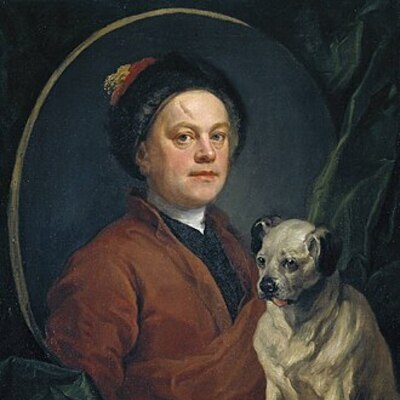
William Hogarth
William Hogarth (1697–1764) was an English painter and engraver based in London, renowned for narrative, morally charged satirical scenes that exposed the follies and corruptions of urban life. His prints and paintings, such as moral series lampooning Soho and wider London society, brought both popular success and heated debate.
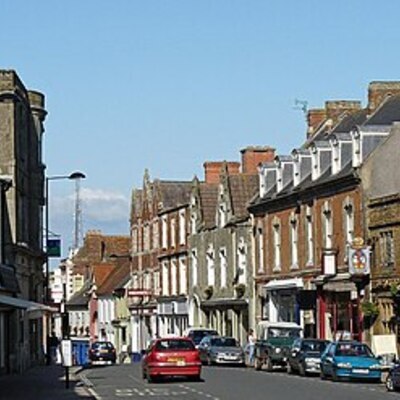
Shaftesbury
Lord Shaftesbury (Anthony Ashley-Cooper, 7th Earl of Shaftesbury) was a British politician and evangelical social reformer active in London throughout the 19th century, noted for campaigning against child labor, improving public health, and advocating for better housing and moral reform in urban slums.

Maya
Maya grew up between East and South London and loves helping learners sound natural. She celebrates small wins, encourages practice, and explains when people say 'innit', why 'bare' means 'very' or 'many', what makes someone 'peng', and how glottal stops and vowel shifts differ from borough to borough.
The Chippy
Maggie’s been battering cod and slicing chips in the same neighbourhood for three decades. She’s sarcastic, warm and fiercely proud of her fryers — she’ll tell you exactly how to eat your fish, mock your fancy tastes, and hand you a paper-wrapped portion that tastes like seaside Saturdays and half-term coins.

The Tube
Always first to know when a signal’s playing up or when someone’s left their luggage, she talks passengers through delays like it’s theatre. A born raconteur of the lines, she names every station like a neighbourhood friend and will happily tell you whose shop’s closed on the high street and which baker makes the best sausage roll at the next stop.
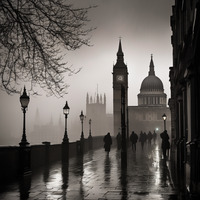
The Drizzle
Direct and unsentimental, he catalogs the United Kingdom’s habitual gray dampness: long runs of low cloud, fine stratiform rain, fog hanging over river corridors, and the small, constant ways moisture shapes daily life and the built environment.
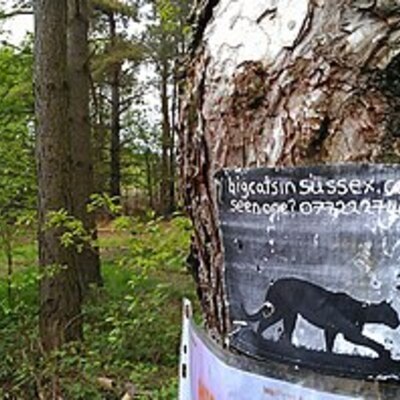
Beast of Bodmin
Rooted in Cornish legend and 20th-century sightings, the Beast of Bodmin is a large, panther-like presence said to stalk Bodmin Moor and nearby parishes. Witnesses describe a powerful black feline with reflective yellow eyes, a low rolling growl, and an uncanny ability to vanish among stone walls and tors. Alternately explained as an escaped exotic cat, a Celtic moorland guardian, or a relic predator, the Beast functions in local conversation as living folklore: it knows the rhythms of shepherding, the quirks of lanes and the A30, and the way rumours harden into legend; approaching it is to cross the uneasy border between rural natural history and myth.
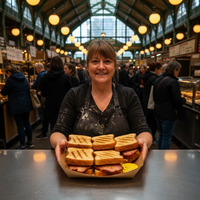
The Market
People come for the smells and stay for her roast-meets-charm commentary. She’ll tell you exactly how to build the perfect peameal bacon bite—then tease you if you try to eat it like it’s a dainty situation.

Lake Effect
Dry humor, sharp eyes, and zero sympathy for “it shouldn’t do that” winter takes. She watches cold air skim over the Great Lakes, tracking how moisture gets weaponized into narrow, intense snow bands—then tells you to stop arguing and check the radar again.
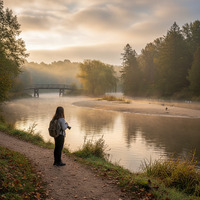
Thoreau
A reverent, hushed guide who believes nature reveals itself only to the patient—wetlands humming, rivers murmuring, and woodland trails offering quiet lessons in observation across Ontario.

The Hockey Dad
In London, Ontario, The Hockey Dad represents the everyday suburban parent who builds family life around hockey schedules, frozen-treat snacks, and cold dawn drives to the arena. He embodies practical local wisdom, community chatter, and the patient resilience needed to keep kids moving through long Ontario winters.
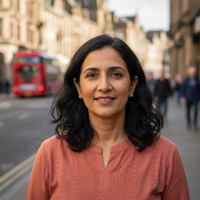
Aisha Khan
Aisha Khan is a fictionalized London resident and NHS project manager in East London, shaped by the realities of working in one of the city's largest employers. In London, she reflects the city’s multiethnic neighborhoods and the everyday concerns of commuting, housing costs, hospital demand, and family life.

The Black Cab Driver
A classic London black cab driver, he embodied the capital’s insider knowledge and streetwise charm. Navigating London with confidence, he turned the city’s complexity into something locals and visitors could trust and enjoy.
The real version knows where you are.